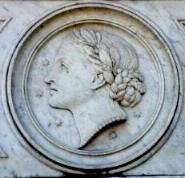
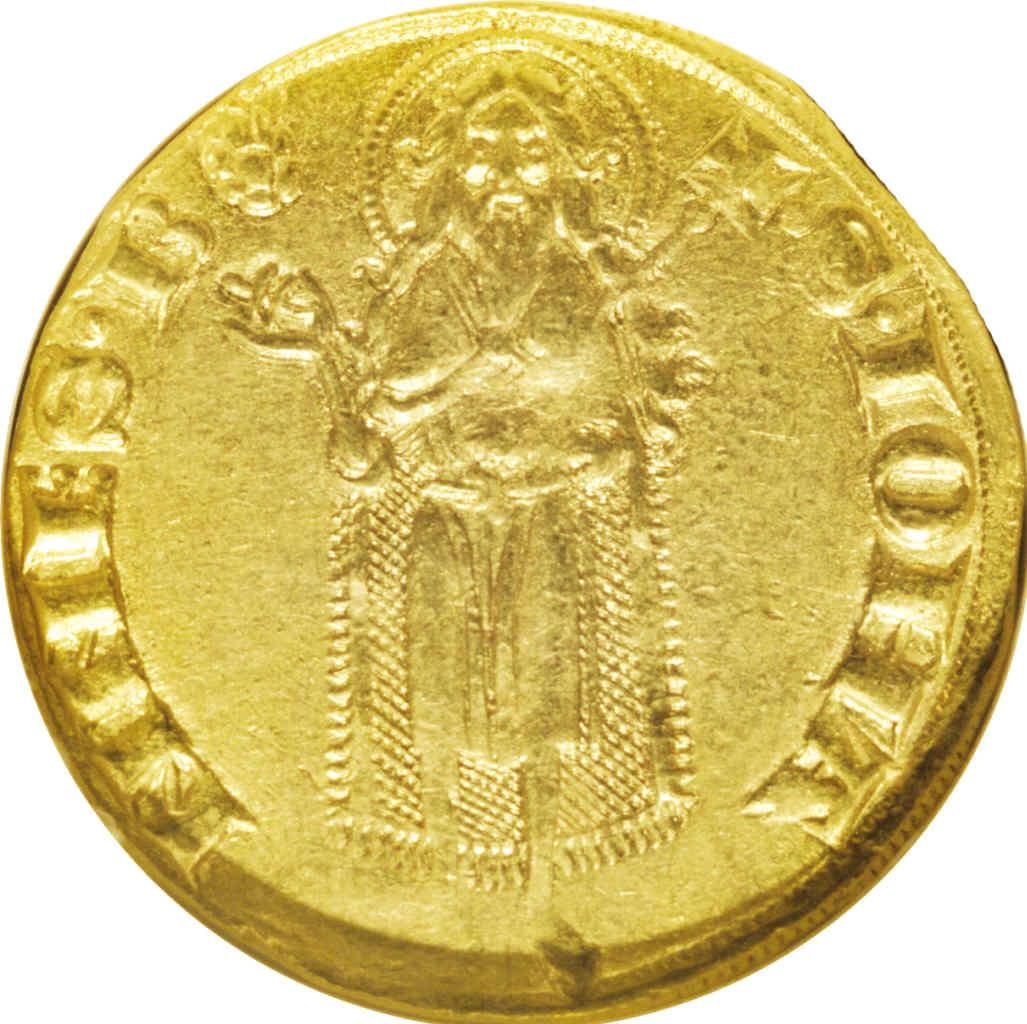
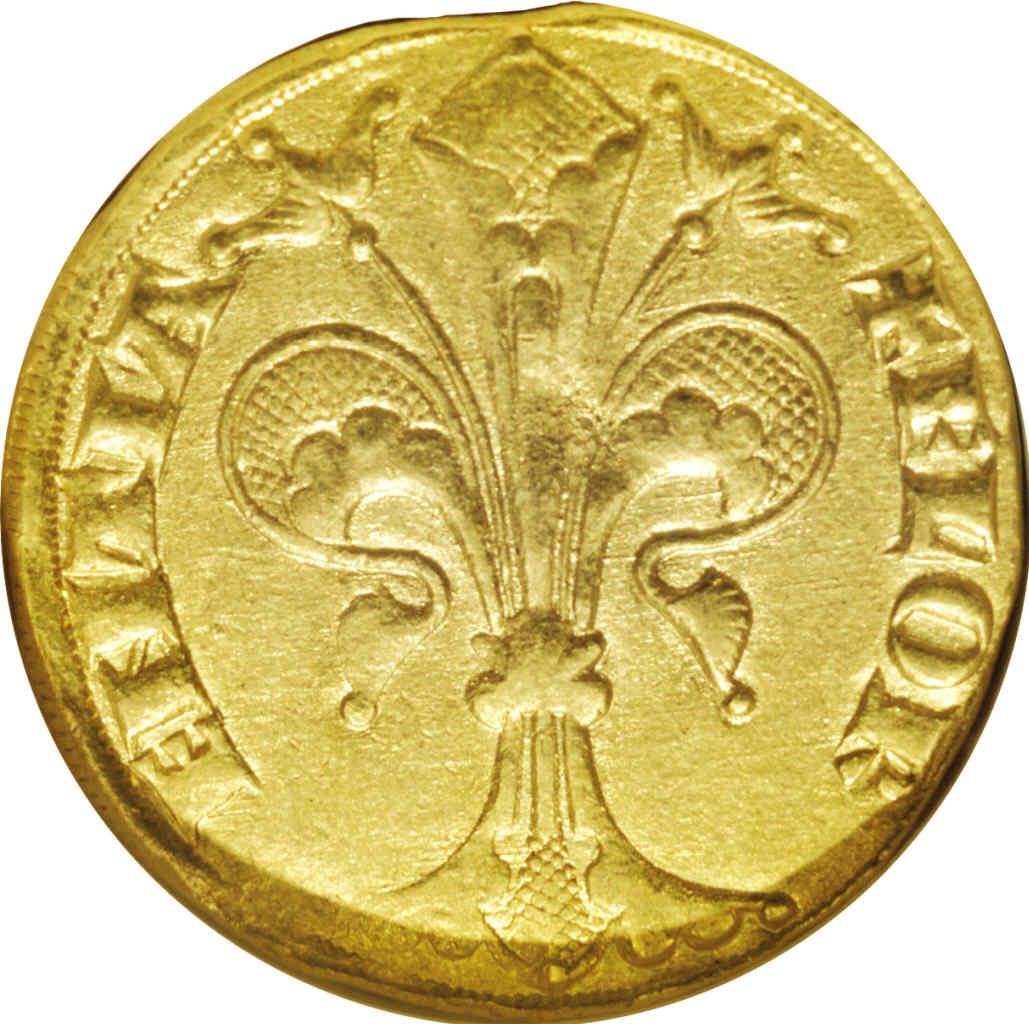
MATTHEW ARNOLD || ELIZABETH BARRETT BROWNING || ARTHUR HUGH CLOUGH || ALICE COTTRELL || JAMES LORIMER GRAHAM || LEIGH HUNT || WALTER
SAVAGE LANDOR || CAROLINE NAPIER || HENRY EDWARD NAPIER || THOMAS SOUTHWOOD SMITH || ALGERNON SWINBURNE ||
See
also Carlo Sisi, Anne O'Brien, Laura Melosi, http://www.florin.ms/gimelb.html
POETS' EPITAPHS FOR
FLORENCE'S 'ENGLISH CEMETERY'
The writing of books transcends time, continuing a presence beyond death. The writing of epitaphs - at the time of writing - is a conversation between living and dead. A cemetery so filled with poets as is Florence's 'English' Cemetery becomes a dialogue between poets present in it and absent from it. It becomes the 'golden ring', the 'aureo anello' of Casa Guidi's plaque, between Italy and England.

Elizabeth Barrett Browning's Epitaph
for Alice (Lily) Cottrell, 1849
A one-year-old child, her epitaph was written by
Elizabeth Barrett Browning: 'And here, among the English
tombs,/ In Tuscan ground we lay her,/ While the blue Tuscan
sky endomes/ Our English words of prayer'. The tomb naming the
two Cottrell children is that for Georgina Sloper. The
Armstrong Browning Library, Baylor University, has given the
epitaph with a plaque on the Gatehouse wall.
http://www.florin.ms/lilycottrell.mp3
(It is possible to call up this file, then minimize it, and
return to the written text, having both simultaneously)

A.A.E.C.
Born, July 1848. Died, November 1849
I.
Of
English blood, of Tuscan birth,
What country should we give her?
Instead of any on the earth,
The civic Heavens receive her.
II.
And
here among the English tombs
In Tuscan ground we lay her,
While the blue Tuscan sky endomes
Our English words of prayer.
III.
A
little child!—how long she lived,
By months, not years, is reckoned:
Born in one July, she survived
Alone to see a second.
IV.
Bright-featured,
as the July sun
Her little face still played in,
And splendours, with her birth begun,
Had had no time for fading.
V.
So,
Lily, from those July hours,
No wonder we should call her;
She looked such kinship to the flowers,—
Was but a little taller.
VI.
A
Tuscan Lily,—only white,
As Dante, in abhorrence
Of red corruption, wished aright
The lilies of his Florence.
VII.
We
could not wish her whiter,—her
Who perfumed with pure blossom
The house—a lovely thing to wear
Upon a mother’s bosom!
VIII.
This
July creature thought perhaps
Our speech not worth assuming;
She sat upon her parents’ laps
And mimicked the gnat’s humming;
IX.
Said
“father,” “mother”—then left off,
For tongues celestial, fitter:
Her hair had grown just long enough
To catch heaven’s jasper-glitter.
X.
Babes!
Love could always hear and see
Behind the cloud that hid them.
“Let little children come to Me,
And do not thou forbid them.”
XI.
So,
unforbidding, have we met,
And gently here have laid her,
Though winter is no time to get
The flowers that should o’erspread her:
XII.
We
should bring pansies quick with spring,
Rose, violet, daffodilly,
And also, above everything,
White lilies for our Lily.
XIII.
Nay,
more than flowers, this grave exacts,—
Glad, grateful attestations
Of her sweet eyes and pretty acts,
With calm renunciations.
XIV.
Her
very mother with light feet
Should leave the place too earthy,
Saying “The angels have thee, Sweet,
Because we are not worthy.
XV.
But
winter kills the orange-buds,
The gardens in the frost are,
And all the heart dissolves in floods,
Remembering we have lost her.
XVI.
Poor
earth, poor heart,—too weak, too weak
To miss the July shining!
Poor heart!—what bitter words we speak
When God speaks of resigning!
XVII.
Sustain
this heart in us that faints,
Thou God, the self-existent!
We catch up wild at parting saints
And feel Thy heaven too distant.
XVIII.
The
wind that swept them out of sin
Has ruffled all our vesture:
On the shut door that let them in
We beat with frantic gesture,—
XIX.
To
us, us also, open straight!
The outer life is chilly;
Are we too, like the earth, to wait
Till next year for our Lily?
XX.
—Oh,
my own baby on my knees,
My leaping, dimpled treasure,
At every word I write like these,
Clasped close with stronger pressure!
XXI.
Too
well my own heart understands,—
At every word beats fuller—
My little feet, my little hands,
And hair of Lily’s colour!
XXII.
But
God gives patience, Love learns strength,
And Faith remembers promise,
And Hope itself can smile at length
On other hopes gone from us.
Love,
strong as Death, shall conquer Death,
Through struggle made more glorious:
This mother stills her sobbing breath,
Renouncing yet victorious.
XXIV.
Arms,
empty of her child, she lifts
With spirit unbereaven,—
“God will not all take back His gifts;
My Lily’s mine in heaven.
XXV.
“Still
mine! maternal rights serene
Not given to another!
The crystal bars shine faint between
The souls of child and mother.
XXVI.
“Meanwhile,”
the mother cries, “content!
Our love was well divided:
Its sweetness following where she went,
Its anguish stayed where I did.
XXVII.
“Well
done of God, to halve the lot,
And give her all the sweetness;
To us, the empty room and cot,—
To her, the Heaven’s completeness.
XXVIII.
“To
us, this grave,—to her, the rows
The mystic palm-trees spring in;
To us, the silence in the house,—
To her, the choral singing.
XXIX.
“For
her, to gladden in God’s view,—
For us, to hope and bear on.
Grow, Lily, in thy garden new,
Beside the Rose of Sharon!
XXX.
“Grow
fast in heaven, sweet Lily clipped,
In love more calm than this is,
And may the angels dewy-lipped
Remind thee of our kisses!
XXXI.
“While
none shall tell thee of our tears,
These human tears now falling,
Till, after a few patient years,
One home shall take us all in.
XXXII.
“Child,
father, mother—who, left out?
Not mother, and not father!
And when, our dying couch about,
The natural mists shall gather,
XXXIII.
“Some
smiling angel close shall stand
In old Correggio’s fashion,
And bear a Lily in his hand,
For death’s ANNUNCIATION.”
Elizabeth Barrett Browning's Aurora Leigh (I.101-108) gives a similar Florentine epitaph to be similarly placed on the wall of the Cemetery Gatehouse:

 |
AND THOU HIS FLORENCE TO THY TRUST RECEIVE AND KEEP KEEP SAFE HIS DEDICATED DUST HIS SACRED SLEEP SO SHALL THY LOVERS COME FROM FAR MIX WITH THY NAME MORNING STAR WITH EVENING STAR HIS FAULTLESS FAME A.C. SWINBURNE |
Leigh
Hunt's Epitaph on the Tomb of Southwood Smith which appears inscribed in marble below the
portrait bust executed by the American sculptor, Joel T. Hart.
http://www.florin.ms/leighhuntsouthwood.mp3
Ages shall honor, in their hearts enshrined,
Thee, SOUTHWOOD SMITH, Physician of Mankind
Bringer of Air, Light, Health into the home
Of the rich Poor of happier years to come.
Leigh Hunt
Matthew Arnold's Epitaph for Arthur Hugh Clough in Thyrsis; A Monody

How changed is here each spot man makes or fills!
In the two Hinkseys nothing keeps the same;
The village street its haunted mansion lacks,
And from the sign is gone Sibylla's name,
And from the roofs the twisted chimney-stacks--
Are ye too changed, ye hills?
See, 'tis no foot of unfamiliar men
To-night from Oxford up your pathway strays!
Here came I often, often, in old days--
Thyrsis and I; we still had Thyrsis then.Runs it not here, the track by Childsworth Farm,
Past the high wood, to where the elm-tree crowns
The hill behind whose ridge the sunset flames?
The signal-elm, that looks on Ilsley Downs,
The Vale, the three lone weirs, the youthful Thames?--
This winter-eve is warm,
Humid the air! leafless, yet soft as spring,
The tender purple spray on copse and briers!
And that sweet city with her dreaming spires,
She needs not June for beauty's heightening,Lovely all times she lies, lovely to-night!--
Only, methinks, some loss of habit's power
Befalls me wandering through this upland dim.
Once pass'd I blindfold here, at any hour;
Now seldom come I, since I came with him.
That single elm-tree bright
Against the west--I miss it! is it goner?
We prized it dearly; while it stood, we said,
Our friend, the Gipsy-Scholar, was not dead;
While the tree lived, he in these fields lived on.Too rare, too rare, grow now my visits here,
But once I knew each field, each flower, each stick;
And with the country-folk acquaintance made
By barn in threshing-time, by new-built rick.
Here, too, our shepherd-pipes we first assay'd.
Ah me! this many a year
My pipe is lost, my shepherd's holiday!
Needs must I lose them, needs with heavy heart
Into the world and wave of men depart;
But Thyrsis of his own will went away.It irk'd him to be here, he could not rest.
He loved each simple joy the country yields,
He loved his mates; but yet he could not keep,
For that a shadow lour'd on the fields,
Here with the shepherds and the silly sheep.
Some life of men unblest
He knew, which made him droop, and fill'd his head.
He went; his piping took a troubled sound
Of storms that rage outside our happy ground;
He could not wait their passing, he is dead.So, some tempestuous morn in early June,
When the year's primal burst of bloom is o'er,
Before the roses and the longest day--
When garden-walks and all the grassy floor
With blossoms red and white of fallen May
And chestnut-flowers are strewn--
So have I heard the cuckoo's parting cry,
From the wet field, through the vext garden-trees,
Come with the volleying rain and tossing breeze:
The bloom is gone, and with the bloom go I!Too quick despairer, wherefore wilt thou go?
Soon will the high Midsummer pomps come on,
Soon will the musk carnations break and swell,
Soon shall we have gold-dusted snapdragon,
Sweet-William with his homely cottage-smell,
And stocks in fragrant blow;
Roses that down the alleys shine afar,
And open, jasmine-muffled lattices,
And groups under the dreaming garden-trees,
And the full moon, and the white evening-star.He hearkens not! light comer, he is flown!
What matters it? next year he will return,
And we shall have him in the sweet spring-days,
With whitening hedges, and uncrumpling fern,
And blue-bells trembling by the forest-ways,
And scent of hay new-mown.
But Thyrsis never more we swains shall see;
See him come back, and cut a smoother reed,
And blow a strain the world at last shall heed--
For Time, not Corydon, hath conquer'd thee!Alack, for Corydon no rival now!--
But when Sicilian shepherds lost a mate,
Some good survivor with his flute would go,
Piping a ditty sad for Bion's fate;
And cross the unpermitted ferry's flow,
And relax Pluto's brow,
And make leap up with joy the beauteous head
Of Proserpine, among whose crowned hair
Are flowers first open'd on Sicilian air,
And flute his friend, like Orpheus, from the dead.O easy access to the hearer's grace
When Dorian shepherds sang to Proserpine!
For she herself had trod Sicilian fields,
She knew the Dorian water's gush divine,
She knew each lily white which Enna yields
Each rose with blushing face;
She loved the Dorian pipe, the Dorian strain.
But ah, of our poor Thames she never heard!
Her foot the Cumner cowslips never stirr'd;
And we should tease her with our plaint in vain!Well! wind-dispersed and vain the words will be,
Yet, Thyrsis, let me give my grief its hour
In the old haunt, and find our tree-topp'd hill!
Who, if not I, for questing here hath power?
I know the wood which hides the daffodil,
I know the Fyfield tree,
I know what white, what purple fritillaries
The grassy harvest of the river-fields,
Above by Ensham, down by Sandford, yields,
And what sedged brooks are Thames's tributaries;I know these slopes; who knows them if not I?--
But many a tingle on the loved hillside,
With thorns once studded, old, white-blossom'd trees,
Where thick the cowslips grew, and far descried
High tower'd the spikes of purple orchises,
Hath since our day put by
The coronals of that forgotten time;
Down each green bank hath gone the ploughboy's team,
And only in the hidden brookside gleam
Primroses, orphans of the flowery prime.Where is the girl, who by the boatman's door,
Above the locks, above the boating throng,
Unmoor'd our skiff when through the Wytham flats,
Red loosestrife and blond meadow-sweet among
And darting swallows and light water-gnats,
We track'd the shy Thames shore?
Where are the mowers, who, as the tiny swell
Of our boat passing heaved the river-grass,
Stood with suspended scythe to see us pass?--
They all are gone, and thou art gone as well!Yes, thou art gone! and round me too the night
In ever-nearing circle weaves her shade.
I see her veil draw soft across the day,
I feel her slowly chilling breath invade
The cheek grown thin, the brown hair sprent with grey;
I feel her finger light
Laid pausefully upon life's headlong train; --
The foot less prompt to meet the morning dew,
The heart less bounding at emotion new,
And hope, once crush'd, less quick to spring again.And long the way appears, which seem'd so short
To the less practised eye of sanguine youth;
And high the mountain-tops, in cloudy air,
The mountain-tops where is the throne of Truth,
Tops in life's morning-sun so bright and bare!
Unbreachable the fort
Of the long-batter'd world uplifts its wall;
And strange and vain the earthly turmoil grows,
And near and real the charm of thy repose,
And night as welcome as a friend would fall.But hush! the upland hath a sudden loss
Of quiet!--Look, adown the dusk hill-side,
A troop of Oxford hunters going home,
As in old days, jovial and talking, ride!
From hunting with the Berkshire hounds they come.
Quick! let me fly, and cross
Into yon farther field!--'Tis done; and see,
Back'd by the sunset, which doth glorify
The orange and pale violet evening-sky,
Bare on its lonely ridge, the Tree! the Tree!I take the omen! Eve lets down her veil,
The white fog creeps from bush to bush about,
The west unflushes, the high stars grow bright,
And in the scatter'd farms the lights come out.
I cannot reach the signal-tree to-night,
Yet, happy omen, hail!
Hear it from thy broad lucent Arno-vale
(For there thine earth forgetting eyelids keep
The morningless and unawakening sleep
Under the flowery oleanders pale),Hear it, O Thyrsis, still our tree is there!--
Ah, vain! These English fields, this upland dim,
These brambles pale with mist engarlanded,
That lone, sky-pointing tree, are not for him;
To a boon southern country he is fled,
And now in happier air,
Wandering with the great Mother's train divine
(And purer or more subtle soul than thee,
I trow, the mighty Mother doth not see)
Within a folding of the Apennine,Thou hearest the immortal chants of old!--
Putting his sickle to the perilous grain
In the hot cornfield of the Phrygian king,
For thee the Lityerses-song again
Young Daphnis with his silver voice doth sing;
Sings his Sicilian fold,
His sheep, his hapless love, his blinded eyes--
And how a call celestial round him rang,
And heavenward from the fountain-brink he sprang,
And all the marvel of the golden skies.There thou art gone, and me thou leavest here
Sole in these fields! yet will I not despair.
Despair I will not, while I yet descry
'Neath the mild canopy of English air
That lonely tree against the western sky.
Still, still these slopes, 'tis clear,
Our Gipsy-Scholar haunts, outliving thee!
Fields where soft sheep from cages pull the hay,
Woods with anemonies in flower till May,
Know him a wanderer still; then why not me?A fugitive and gracious light he seeks,
Shy to illumine; and I seek it too.
This does not come with houses or with gold,
With place, with honour, and a flattering crew;
'Tis not in the world's market bought and sold--
But the smooth-slipping weeks
Drop by, and leave its seeker still untired;
Out of the heed of mortals he is gone,
He wends unfollow'd, he must house alone;
Yet on he fares, by his own heart inspired.Thou too, O Thyrsis, on like quest wast bound;
Thou wanderedst with me for a little hour!
Men gave thee nothing; but this happy quest,
If men esteem'd thee feeble, gave thee power,
If men procured thee trouble, gave thee rest.
And this rude Cumner ground,
Its fir-topped Hurst, its farms, its quiet fields,
Here cams't thou in thy jocund youthful time,
Here was thine height of strength, thy golden prime!
And still the haunt beloved a virtue yields.What though the music of thy rustic flute
Kept not for long its happy, country tone;
Lost it too soon, and learnt a stormy note
Of men contention-tost, of men who groan,
Which task'd thy pipe too sore, and tired thy throat--
It fail'd, and thou wage mute!
Yet hadst thou always visions of our light,
And long with men of care thou couldst not stay,
And soon thy foot resumed its wandering way,
Left human haunt, and on alone till night.Too rare, too rare, grow now my visits here!
'Mid city-noise, not, as with thee of yore,
Thyrsis! in reach of sheep-bells is my home.
--Then through the great town's harsh, heart-wearying roar,
Let in thy voice a whisper often come,
To chase fatigue and fear:
Why faintest thou! I wander'd till I died.
Roam on! The light we sought is shining still.
Dost thou ask proof? Our tree yet crowns the hill,
Our Scholar travels yet the loved hill-side.

EpicedeLife may give for love to death
Little; what are life's gifts worth
To the dead wrapt round with earth?
Yet from lips of living breath
Sighs or words we are fain to give,
All that yet, while yet we live,
Life may give for love to death.Dead so long before his day,
Passed out of the Italian sun
To the dark where all is done,
Fallen upon the verge of May;
Here at life's and April's end
How should song salute my friend
Dead so long before his day?Not a kindlier life or sweeter
Time, that lights and quenches men,
Now may quench or light again,
Mingling with the mystic metre
Woven of all men's lives with his
Not a clearer note than this,
Not a kindlier life or sweeter.In this heavenliest part of earth
He that living loved the light,
Light and song, may rest aright,
One in death, if strange in birth,
With the deathless dead that make
Life the lovelier for their sake
In this heavenliest part of earth.Light, and song, and sleep at last --
Struggling hands and suppliant knees
Get no goodlier gift than these.
Song that holds remembrance fast,
Light that lightens death, attend
Round their graves who have to friend
Light, and song, and sleep at last.
It appeared in Algernon
Swinburne's volume Poems and Ballads, Second Series, James
Lorimer Graham having died at Florence, April 30, 1876. My
thanks to Jeffrey Beagle, and to John A. Walsh who sent it to
me electronically.
F9T (135) §141/ CAROLINE
(BENNETT) NAPIER/ ENGLAND/
Lastra. Marmista
ignoto. Sec. XIX, post 9/1836. Ambito toscano. Lastra di marmo sporco.molte lettere di piombo
mancano, ogetto sopra base alla testa della tomba perso,
recinto condiviso con la madre, Mary Bennett. Da pulire. [M: A: 20;
L: 77; P: 153; P.s. A: 18; L: 83; P: 160; RP.s.: A: 35; L:
100; P: 100. Iscrizione
sepolcrale
inglese in lettere capitali e numeri arabi in piombo: CAROLINE NAPIER/
WIFE OF/ CAPTAIN/ HENRY EDWARD NAPIER, R.N./ BORN/ 9TH AUGUST
1806/ DIED/ 5TH SEPTEMBER 1836/ IF I HAD THOUGHT THOU COULDST
HAVE DIED/ I MIGHT NOT WEEP FOR THEE/ BUT I FORGOT WHEN BY THY
SIDE/ THAT THOU COULDST MORTAL BE/ IT NEVER THROUGH MY MIND
HAD PAST/ THAT TIME WOULD E'ER BE OER/ AND I ON THEE SHOULD
LOOK MY LAST/ AND THOU SHOULDST SMILE NO MORE/ AND STILL UPON
THAT FACE I LOOK/ AND THINK TWILL SMILE AGAIN/ AND STILL THE
THOUGHT I CANNOT BROOK/ THAT I MUST LOOK IN VAIN/ BUT WHEN I
SPEAK THOU DOST NOT SAY/ WHAT THOU NEER LEFTST UNSAID/ AND NOW
I FEEL AS WELL I MAY/ SWEET CAROLINE THOU'RT DEAD/ IF THOU
WOULDST STAY EEN AS THOU ART/ ALL COLD AND ALL SERENE/ I STILL
MIGHT PRESS THY SILENT HEART/ AND WHERE THY SMILES HAVE BEEN/
WHERE EER THY CHILL BLEAK CORSE I HAD/ THOU DIDST STILL SEEM
MY OWN/ BUT HERE I LAID THEE IN THY GRAVE/ AND I AM NOW ALONE/
I DO NOT THINK WHERE ER THOU ART/ THOU HAST FORGOTTEN ME/ AND
I PERHAPS MAY SOOTHE THIS HEART/ ON THINKING TOO OF THEE/ YET
THERE WAS ROUND THEE SUCH A DAWN/ OF LIGHT NEER SEEN BEFORE/
AS FANCY NEVER COULD HAVE DRAWN/ AND NEVER CAN RESTORE/-/ Registro alfabetico delle
tumulazione nel Cimitero di Pinti: Napier/ Carolina/ /
Inghilterra/ Firenze/ 5 Settembre/ 1836/ / 141/ Records,
Guildhall Library, London: GL 23773/4 N° 50:
died at Villa Capponi, Rev Knapp; Baptism children: GL23773 N°
16 Arthur Lennox b 24/12/33 bp 31/03/34 Rev Hutton, G23773 N°
52; Richard Henry b 11/03/36 bp 28/05/36 Rev Hutchinson, father
Henry Edward capt RN mother Caroline/ Maquay
Diaries: 6 Sep 1836; 21 September/ DNB entry: 'Napier,
Henry Edward 1789-1853, historian, born on 5 March 1789, was
son of Colonel George Napier [q.v.], younger brother of Sir
Charles James Napier [q.v.], conqueror of Scinde, of Sir
George Thomas Napier [q.v.], governor of the Cape of Good
Hope, and of Sir William Francis Patrick Napier [q.v.],
historian and general. . . . His chief claim to notice is that
he was the author of ‘Florentine History from the earliest
Authentic Records to the Accession of Ferdinand the Third,
Grandduke of Tuscany,’ six vols., 1846-7, a work showing much
independence of judgment and vivacity of style, but marred by
prolixity. He was elected a fellow of the Royal Society on 18
May 1820, and died at 62 Cadogan Place, London, on 13 Oct.
1853. He married on 17 Nov. 1823 Caroline Bennet, a natural
daughter of Charles Lennox, third duke of Richmond; she died
at Florence on 5 Sept. 1836, leaving three children'./ Hare, Horner cite
Napier's Florentine History/ NDNB entry for
husband, Henry Edward Napier/ See
Bennett, for mother's tomb beside hers, also the Kellet tombs
of three descendants from Captain Robert John Napier Kellett
(1797-1853)./ Indagine cognoscitiva, preparatoria al
restauro delle opere site nel Cimitero Protestante di Firenze
detto 'degli Inglesi', Gianguido Fumelli, Adriano Giachi,
Stefano Landi, Antonella Malavolti, Sabrina Milani, 1991, 135. Chiesa Evangelica Riformata Svizzera, 1827-.
2009.
We have Henry Edward Napier, Florentine
History (Moxon, 1846-1847), 6 volumes, in the
Mediatheca Fioretta Mazzei.
http://www.florin.ms/napier.mp3


Edward
Napier
Caroline Bennett
Greek Epitaphs for
Tombs in
Florence's Swiss-Owned 'English'
Cemetery
|
I, wife
to Mr Browning, mother to Pen, I, Hiram,
of Vermont and Cincinnatti, I,
Nadezhda De Santis, came I,
Elizabeth Shinner, maid I am
Theodore Parker, I,
Maurice Baruch, I, James
Lorimer Graham, I am Isa,
friend to Browning, John
Sinclair of Edinburgh I am
William Somerville. My I am
Louisa Adams Kuhn. |
Southwood Smith, doctor, am I, who worked against employing, abusing, children in mines and factories. Read my epitaph by Leigh Hunt. I could not face celibacy, I could not face marriage. Arthur Hugh Clough am I beneath Champollion's winged globe. I, Henry Savage Landor, journey Everywhere, then die where I was born. I, Robert Davidsohn, write Florence's history out from her archives. Read my books to understand Dante. I am Theodosia Garrow Trollope. My mother Jewish, my father the son of an Indian princess, my daughter Bice. I, Walter Savage Landor, wrote many quatrains for my tomb. Instead, Algernon Swinburne's epitaph is on it. I, Giampietro Vieusseux, work for Florentine freedom, but do not let women enter my reading room. I am Major William Sewell, son of a king, friend to a fellow soldier, husband of Georgina. I stepped out of Jane Austen's pages, came to Florence to die in childbirth. Sarah MacCalmont is my name. My husband paints me, sculpts my tomb, my son Benoni lives, I am Fanny Holman Hunt. JBH |
And for
Florence's Casa Guidi:
She came,
whom Casa Guidi's chambers knew,
And know more proudly, an immortal, now;
The air without a star was shivered through
"With the resistless radiance of her brow,
And glimmering landscapes from the darkness grew.
Thin, phantom-like; and yet she brought me rest,
Unspoken words, an understood command
Scaled weary lids with sleep, together pressed
In clasping quiet wandering band to Land,
And smoothed the folded cloth above the breast.
Now, looking through these windows, where the day
Shines on a terrace splendid with the gold
Of autumn shrubs, and green with glossy bay,
Once more her face, re-made from dust, I hold
In light so clear it cannot pass away: —
The quiet brow; the face so frail and fair
For such a voice of song; the steady eye,
Where shone the spirit fated to outwear
Its fragile house ; —and on her features lie
The soft half-shadows of her drooping hair.
"Who could forget those features, having known?
Whose memory do his kindling reverence wrong
That heard the soft Ionian flute, whose tone
Changed with the silver trumpet of her song?
No sweeter airs from woman's lips were blown.
Ah, in the silence she has left behind
How many a sorrowing voice of life is still!
Songless she left the land that cannot find
Song for its heroes; and the Roman hill,
Once free, shall for her ghost the laurel wind.
The tablet tells you, "Here she wrote and died,"
And grateful Florence bids the record stand:
Here bend Italian love and English pride
Above her grave, — and one remoter land,
Free as her prayers could make it, at their side.
I will not doubt the vision: yonder see
The moving clouds that speak of freedom won!
And life, new-lighted, with a lark-like glee
Through Casa Guidi windows- hails the sun,
Grown from the rest her spirit gave to me.
Bayard Taylor
See also Poets' Corner, Italian Sonnet, Poems Pennyeach
And hear http://www.umilta.net/poemspennyeach.mp3
Flowers, picked above Fiesole, in Montebeni.
FLORIN WEBSITE © JULIA
BOLTON
HOLLOWAY, AUREO
ANELLO
ASSOCIAZIONE,
1997-2024: ACADEMIA
BESSARION
||
MEDIEVAL: BRUNETTO
LATINO, DANTE
ALIGHIERI,
SWEET
NEW STYLE: BRUNETTO
LATINO, DANTE
ALIGHIERI,
& GEOFFREY
CHAUCER
|| VICTORIAN:
WHITE
SILENCE:
FLORENCE'S
'ENGLISH'
CEMETERY
|| ELIZABETH
BARRETT
BROWNING
|| WALTER
SAVAGE LANDOR
|| FRANCES
TROLLOPE
|| ABOLITION
OF SLAVERY
|| FLORENCE
IN SEPIA
|| CITY AND
BOOK CONFERENCE
PROCEEDINGS
I, II,
III,
IV,
V,
VI,
VII
|| MEDIATHECA
'FIORETTA
MAZZEI'
|| EDITRICE
AUREO
ANELLO CATALOGUE
|| UMILTA
WEBSITE
||
LINGUE/LANGUAGES: ITALIANO,
ENGLISH
|| VITA
New:
Dante
vivo || White
Silence
To donate to the restoration by Roma of Florence's formerly abandoned English Cemetery and to its Library click on our Aureo Anello Associazione's PayPal button:
                THANKYOU!